Skip to main content

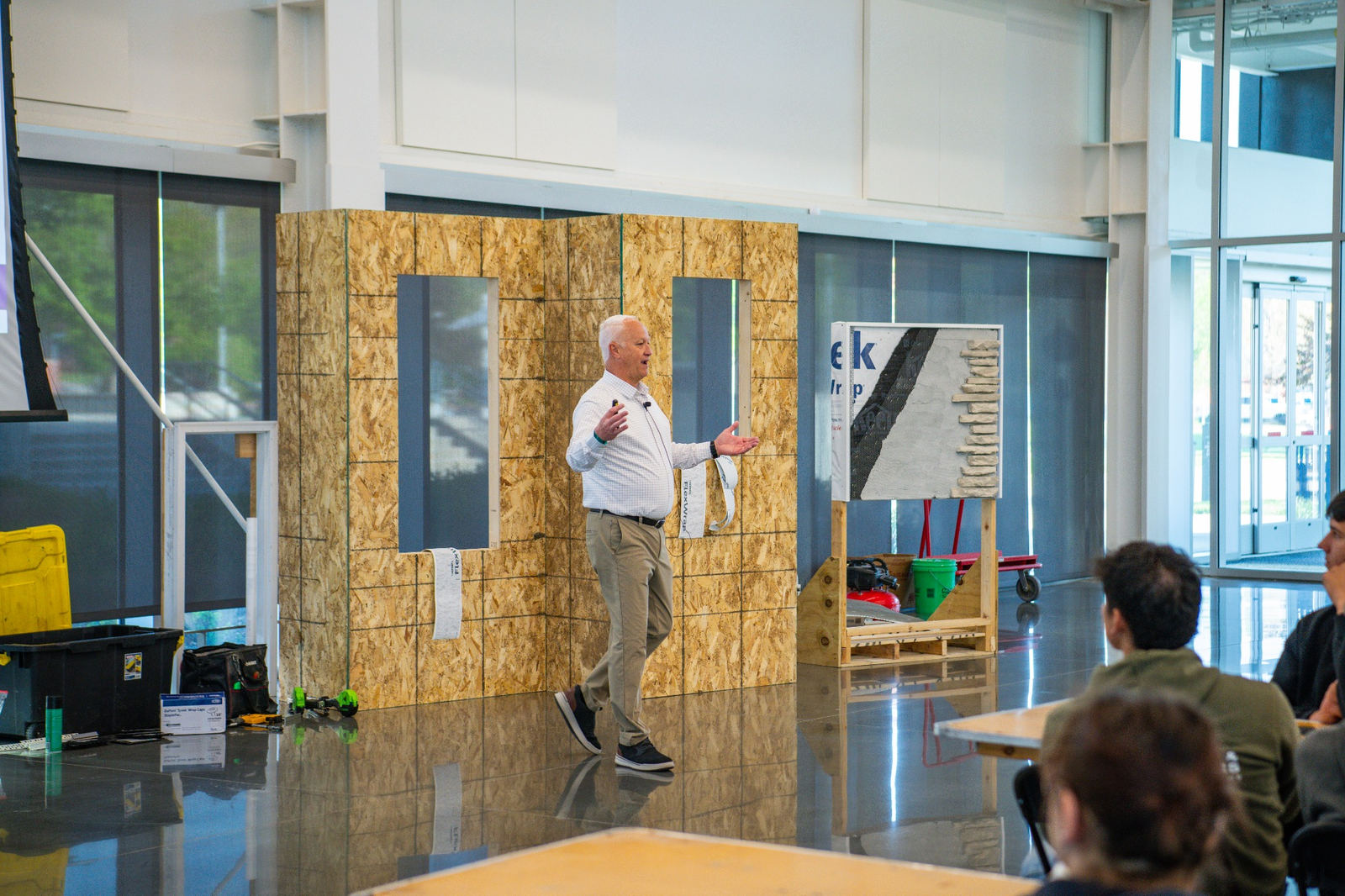

A high-performance building depends on more than the materials that go into it. How those materials are installed, how they connect, and how they work together all influence the finished structure.
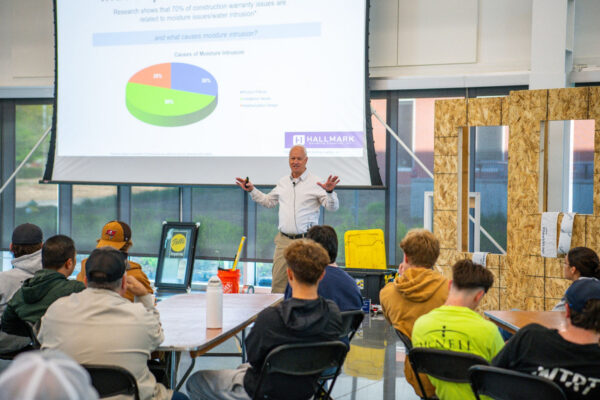
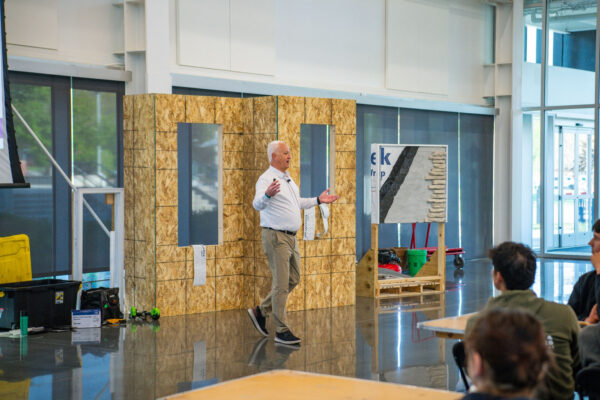
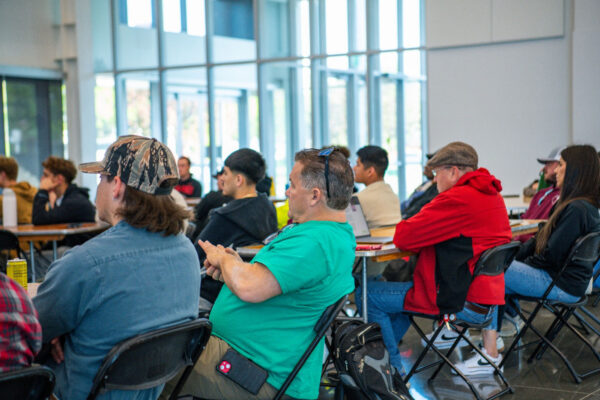
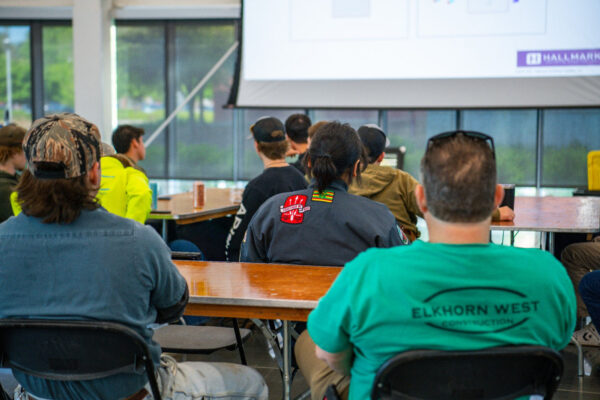
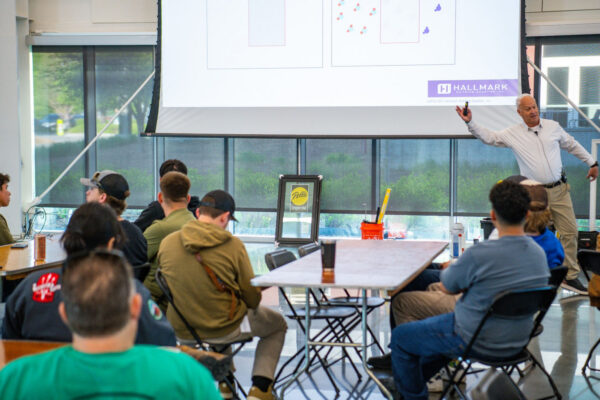
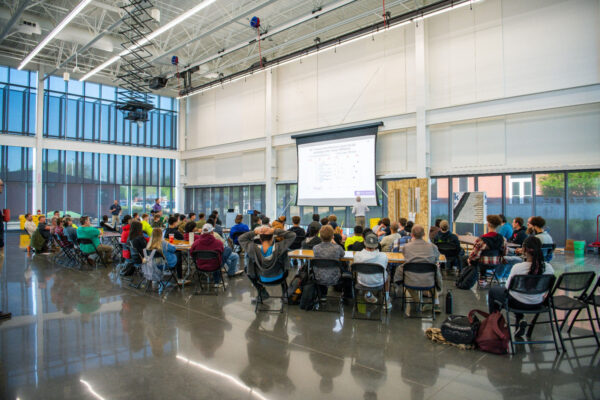
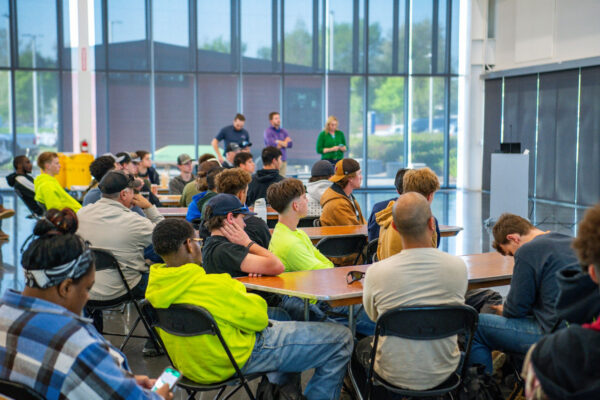
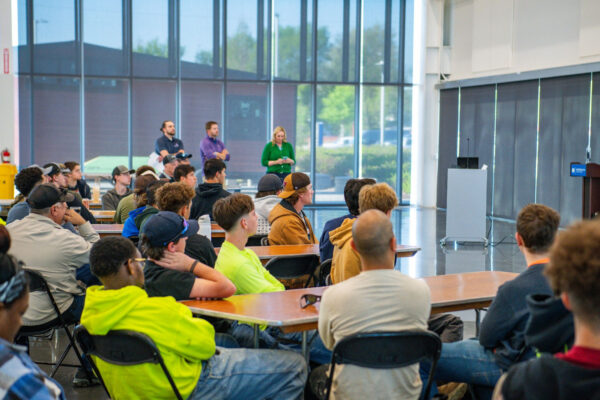
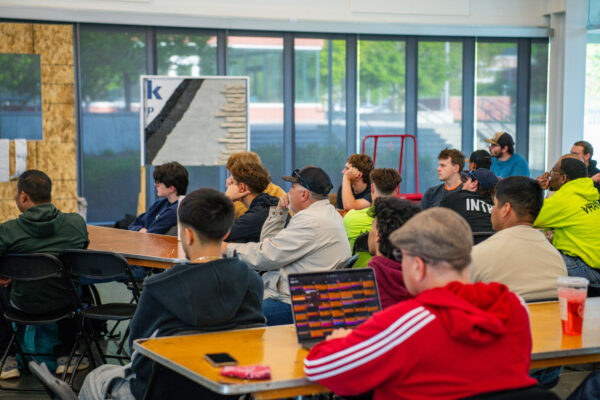
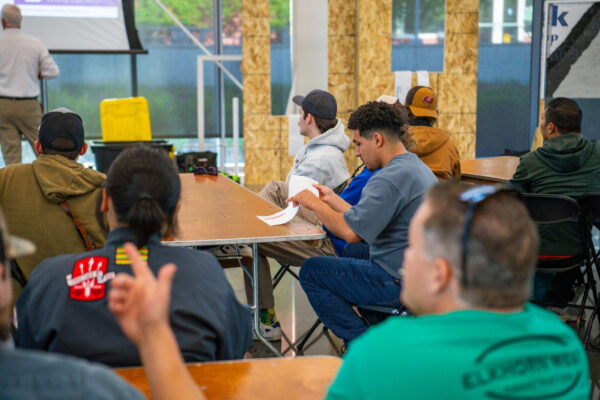
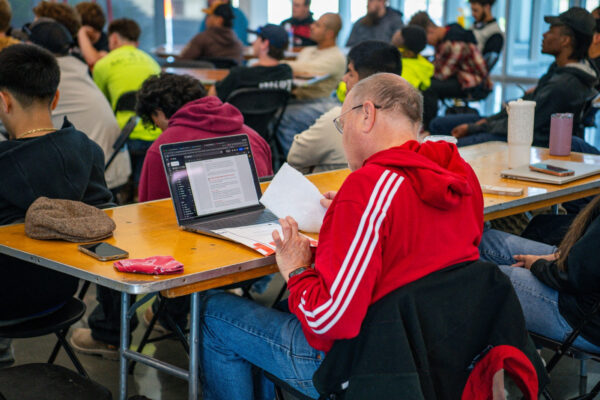
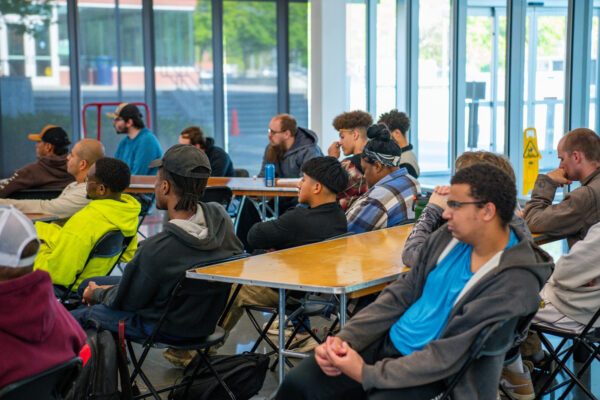
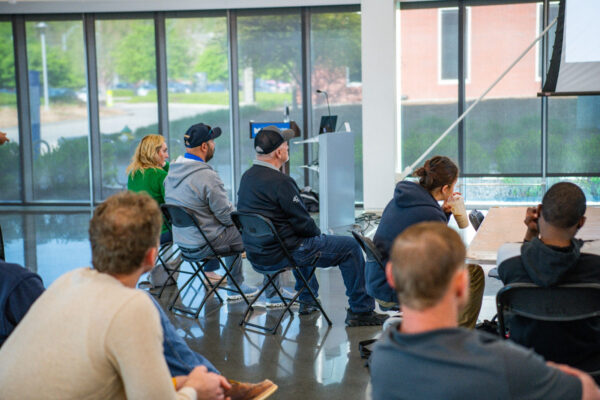
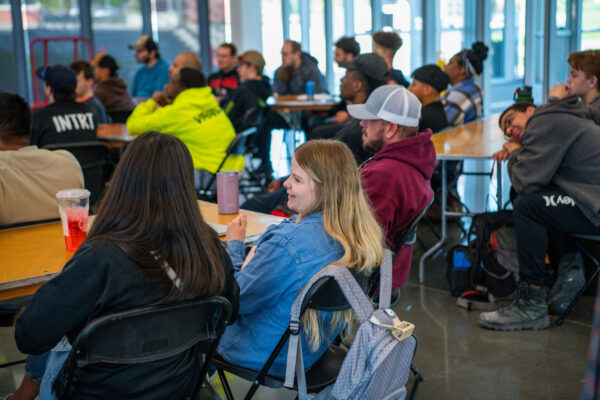
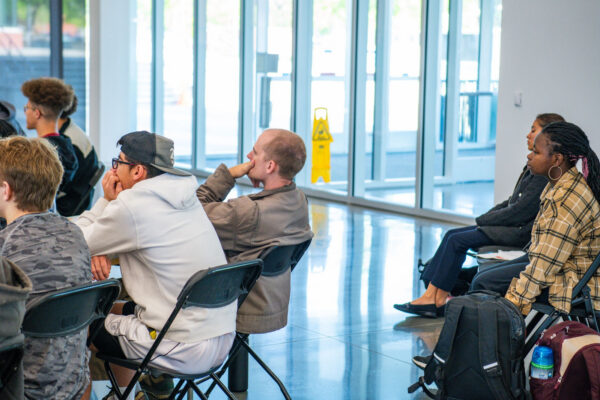
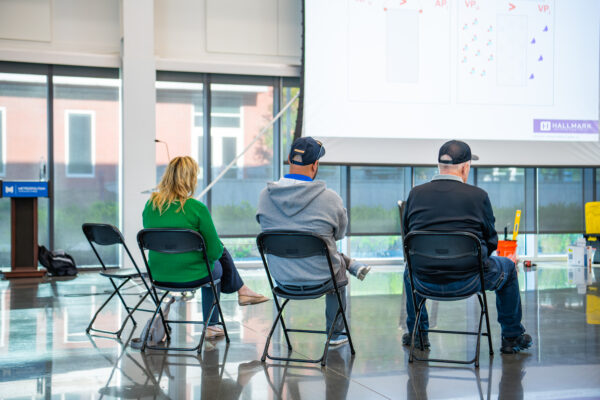
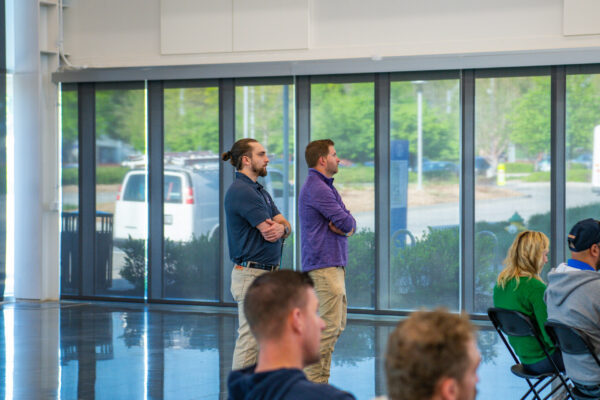
That was the focus of Building Envelope Demonstration Day, held April 29 at Metropolitan Community College’s Fort Omaha Campus. Presented by the Metropolitan Omaha Builders Association (MOBA) and Metropolitan Community College, the event brought local builders, contractors and trade professionals together for hands-on demonstrations of installation techniques designed to support building performance, durability and code compliance.
Pella Windows and Doors of Omaha & Lincoln participated as a sponsor, with Field Managers Mahlon Bowling and Jose Maldonado presenting the Pella portion of the program. Their demonstration focused on proper window installation and integration, highlighting the importance of getting the details right where windows meet the surrounding wall system.
For Pella, the event offered an opportunity to share product knowledge, engage with local building professionals, and contribute to the practical education that helps move the industry forward.
Taking Building Science from Theory to Practice
Building Envelope Demonstration Day centered on a straightforward principle: even quality materials need proper installation to deliver their intended performance.
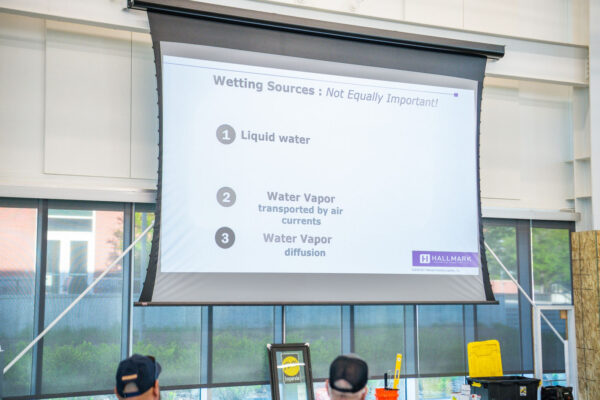
The building envelope separates a structure’s interior from the outdoor environment. Its components work together to manage moisture, control air movement, and help maintain the building’s overall performance. When those components are installed and integrated correctly, they can help protect the structure and support its long-term durability.
The challenge is that a building envelope isn’t a single product or system. It is a series of connected materials, transitions, and installation details. A problem in one area can affect the performance of another, making coordination and proper installation essential.
The event’s theme, “Hands On. Code Compliant. Performance Driven.,” reflected the importance of understanding these connections in the field.
Through live demonstrations, attendees explored several aspects of building envelope construction, including high-performance weather-resistive barrier installation, proper window installation and integration, lath-applied stone veneer with a rainscreen system, and best-practice siding details.
Rather than simply discussing installation principles, the demonstrations gave participants an opportunity to see techniques in action and examine how different materials come together.
For builders and contractors, that practical experience can help connect building science concepts with the decisions they make on jobsites every day.
Why Window Installation Deserves Attention
Windows play an important role in a building’s design and functionality, bringing natural light into interior spaces while contributing to weather protection, energy performance, and occupant comfort.
But a window’s performance depends on more than the unit itself. Its integration with the surrounding wall assembly is equally important.
Proper installation helps manage water at one of the building envelope’s critical transitions. It also supports air sealing and helps protect the surrounding structure from moisture-related problems. The specific installation methods and materials depend on the window, wall assembly, and project requirements, making it important for professionals to understand how the components are intended to work together.
These details can be easy to overlook when a project is moving quickly. Yet the way a window is installed can have consequences long after construction is complete.
For Bowling and Maldonado, the demonstration provided an opportunity to focus on those details with the professionals responsible for putting installation practices into action.
Their presentation addressed proper window installation and integration, reinforcing the connection between product knowledge and workmanship.
The goal of this kind of training extends beyond completing an individual installation. It helps trade professionals better understand the role windows play within the larger building envelope and the importance of following appropriate installation procedures.
Looking Beyond Minimum Requirements
Code compliance is an essential part of building construction, but understanding how to meet code requirements is only one part of achieving a durable, well-performing structure.
Building Envelope Demonstration Day also addressed common installation failures and practices that can help professionals go beyond minimum requirements.
For builders and contractors, that means paying attention to how materials are layered, where transitions occur, and how details are handled before they become concealed behind finished surfaces.
A weather-resistive barrier, for example, must be installed and integrated appropriately with adjacent components to help manage water. Window openings require careful attention because they interrupt the continuity of the wall assembly. Exterior cladding systems also need to be installed according to their design, including the details that allow them to manage moisture.
Each component has a specific role, but the finished building depends on how those individual parts work together.
Hands-on demonstrations allow professionals to examine these connections, ask questions and see how installation decisions affect the overall assembly. They also create space for conversations about challenges that arise in the field and how established best practices can help address them.
That exchange of practical knowledge is an important part of continuing education in an industry where building methods, materials, and performance expectations continue to evolve.
Strengthening Connections Across the Building Industry
Successful construction projects require coordination among many people, from the architects and builders who establish the plans to the contractors and installers who bring them to life.
Product manufacturers and their representatives can contribute to that process by helping industry professionals understand product requirements, installation methods, and the considerations that influence performance.
For Pella Omaha & Lincoln, participating in Building Envelope Demonstration Day was an opportunity to contribute to that exchange of knowledge.
The local team works with building professionals on projects that call for careful consideration of window and door products, installation requirements, and the relationship between those products and the surrounding construction. Sharing technical information and answering questions can help make those decisions more informed.
Events like this also bring different trades together around a shared objective: building structures that perform as intended.
When professionals understand how their work connects to the work happening around them, they are better positioned to identify potential issues, coordinate details, and approach projects with the full building assembly in mind.
That collaboration is especially valuable when addressing the transitions between systems, where one trade’s work often meets another’s.
Investing in Better Building Practices
Pella Omaha & Lincoln is proud to support educational opportunities that connect product knowledge with the realities of construction. By participating in local industry events, the team can share its expertise while learning more about the priorities and challenges facing the professionals it works alongside.
Building Envelope Demonstration Day brought that purpose into focus through practical instruction and direct engagement with installation techniques.
Thank you to MOBA and Metropolitan Community College for organizing an event that brought Omaha’s building professionals together to learn, share knowledge and strengthen their approach to construction.
For Pella Omaha & Lincoln, supporting the building community means more than providing windows and doors. It also means helping professionals understand how those products fit into a larger system — because better building performance starts with getting the details right.