Skip to main content

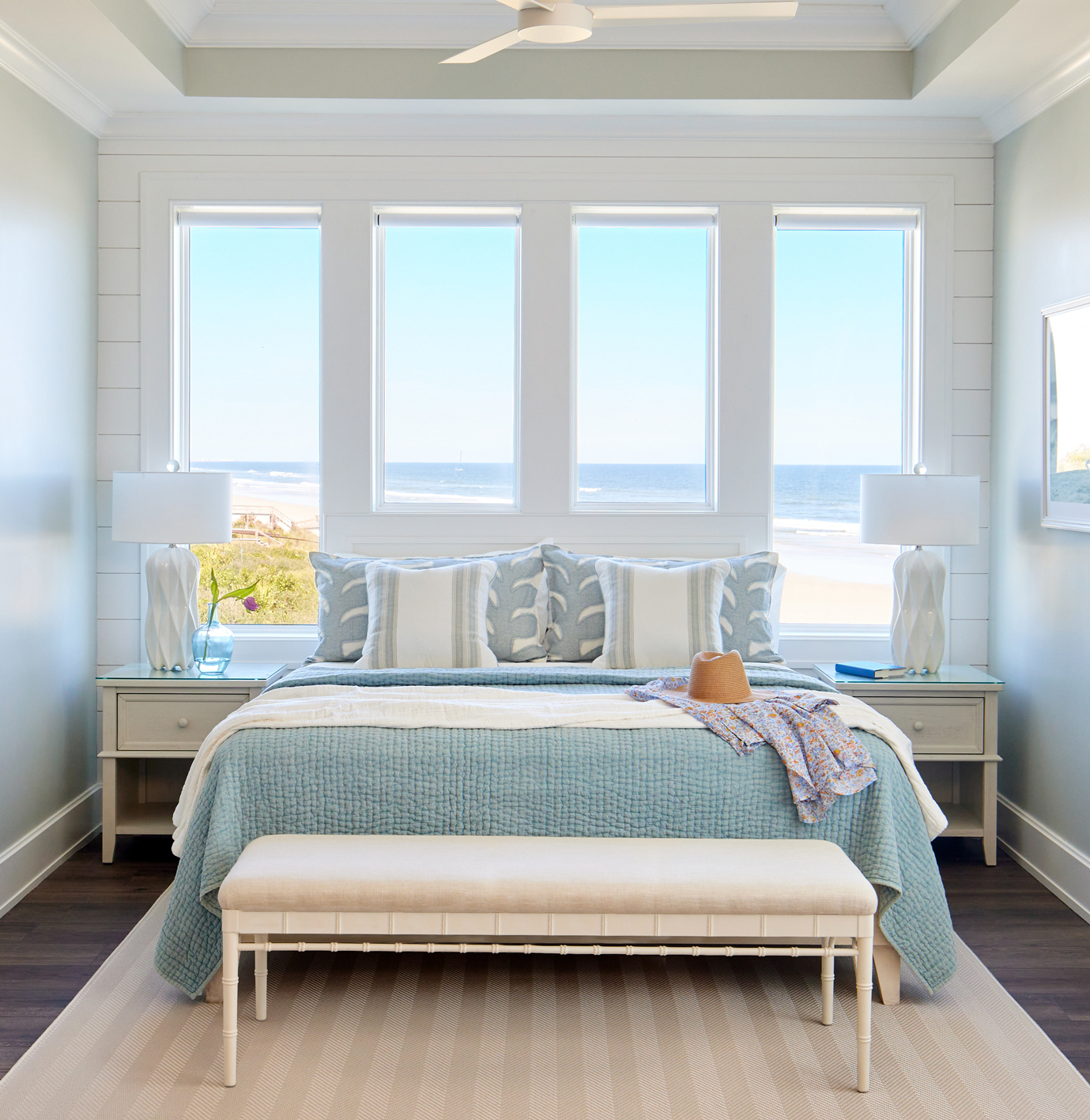

Upper-floor areas often remain uncomfortably warm during those midsummer months for various reasons: heat rises, attics retain warmth, and older windows allow solar heat to penetrate the home throughout the day. In many cases, improving insulation, sealing air leaks, and installing energy-efficient replacement windows can reduce temperature differences between floors while easing the strain on your cooling system. Features such as Low-E glass coatings, insulated frames, and improved weatherstripping can make a noticeable difference in overall comfort and replacement window cost savings.
Have you noticed that your upstairs bedrooms remain hot long after the sun goes down? According to the U.S. Department of Energy, heat gain and heat loss through windows account for 25% to 30% of residential heating and cooling energy use. Understanding how solar heat enters a home and how modern window technology limits that transfer can help create more consistent temperatures throughout the house.
Temperatures between 72-76 degrees are often considered comfortable during the summer, especially when humidity remains low. Yet many homeowners notice that their second-floor bedrooms feel much warmer than the thermostat reading suggests.
Warm air naturally moves upward. That process alone can make second-floor bedrooms several degrees warmer than the first floor. The effect becomes even stronger during long stretches of hot weather.
Solar Heat Entering Through Windows
Windows exposed to direct sunlight can raise indoor temperatures quickly. Older glass often transfers more heat into the home. Window energy efficiency ratings help homeowners compare how well different products block that heat.
Poor Insulation and Air Leaks
Small gaps around windows, walls, and attic spaces can create larger problems over time. Hot outdoor air enters the home as cooled air escapes. Many of the benefits of energy-efficient windows come from reducing this unwanted heat transfer.
Uneven Airflow from the Cooling System
Air conditioners cannot always compensate for structural problems. If a bedroom remains much warmer than the rest of the house, the issue may involve more than the cooling equipment alone.
How Sunlight Turns Upper-Floor Bedrooms into Heat Traps
Sunlight does more than brighten a room. It also transfers heat through glass and gradually raises indoor temperatures. Upper-floor bedrooms are especially vulnerable to this process for several reasons:
- Direct sunlight exposure
- Heat absorption through older glass
- Heat buildup in attic spaces
- Exposure to infrared radiation
Direct Sunlight Exposure
South-facing and west-facing rooms often receive intense afternoon sunlight. That heat can linger well into the evening. Bedrooms on the second floor usually absorb even more warmth because they have less protection from direct sunlight.
Heat Absorption Through Older Glass
Older windows often transfer more heat into the home. Single-pane glass performs poorly during periods of extreme heat. Even older double-pane units may struggle if seals have weakened over time. Window energy efficiency ratings can reveal how well newer models resist heat transfer.
Heat Buildup in Attic Spaces
Attics can become extremely hot during the summer months. That trapped heat slowly moves downward into nearby rooms. Bedrooms located directly below the roof often feel the effects first.
Exposure To Infrared Radiation
Invisible infrared radiation carries much of the sun’s heat. Modern energy-efficient replacement windows use specialized coatings that reflect a portion of that heat. As a result, indoor temperatures remain more stable throughout the day.
How Energy-Efficient Replacement Windows Help Balance Indoor Temperatures
Modern windows do much more than improve a home’s appearance. Their design directly affects indoor comfort and energy use. Several features work together to limit heat transfer and create more stable temperatures throughout the house:
- Low-E glass coatings
- Multiple panes of glass
- Insulating gas fills
- Improved weatherstripping
- Better frame materials
Low-E Glass Coatings
Low-emissivity coatings, often called Low-E coatings, reflect a portion of the sun’s heat. They also reduce the amount of ultraviolet light that enters the home. That protection can keep rooms cooler and reduce fading on floors and furniture.
Multiple Panes of Glass
Single-pane windows have very little insulation value. Double-pane and triple-pane models create barriers that slow the movement of heat. Window energy efficiency ratings often reflect these differences.
Insulating Gas Fills
Manufacturers frequently place argon or krypton gas between panes of glass. These gases transfer heat more slowly than ordinary air. As a result, indoor temperatures remain more consistent throughout the day.
Improved Weatherstripping and Frame Materials
Small gaps around a window can let conditioned air escape. Modern weatherstripping creates a tighter seal. Advances in frame design also improve performance. Many of the benefits of energy-efficient windows come from these combined improvements.
Frequently Asked Questions
How Long Do Energy-Efficient Windows Typically Last?
Most modern windows remain in good condition for 20 years or longer. Lifespan depends on the:
- Materials
- Local climate
- Quality of the installation
- Maintenance and upkeep of the product
Vinyl frames usually require little maintenance, and wood frames often need more attention to preserve their appearance and performance.
Can Window Treatments Improve Upstairs Temperatures?
Window treatments can reduce some of the heat entering a room. Cellular shades create an insulating barrier between the glass and the interior space.
Blackout curtains can block sunlight during the hottest part of the day. Exterior awnings may also reduce heat before it reaches the glass itself. These additions can improve comfort, but they cannot correct problems caused by aging windows.
Are North-Facing Windows More Efficient Than South-Facing Windows?
The direction a window faces has a major effect on indoor temperatures. South-facing windows receive more direct sunlight during much of the year.
West-facing windows often create the greatest discomfort because they absorb intense afternoon sun. North-facing windows usually experience less solar heat gain.
Energy-Efficient Window Installation in Omaha and Lincoln
High-quality energy-efficient replacement windows can reduce heat transfer, improve comfort, and contribute to long-term energy savings during the hottest months of the year.
For nearly 60 years, we’ve helped homeowners across eastern Nebraska and western Iowa find window and door solutions that fit their style, needs, and budget. At Pella Windows & Doors of Omaha and Lincoln, we combine innovative products, flexible financing, expert installation, and industry-leading warranties backed by the Pella Guarantee. Our proven process, local experience, and customized approach have made us a trusted choice since 1967.
Get in touch today to find out how we can help with your window and door needs.