Skip to main content


Choosing a window frame material starts with setting your budget early and prioritizing your local climate. Once that’s established, weigh maintenance commitments with your available time and assess which models are best at matching the architectural style that defines your home. Finally, review energy ratings and consider frame thickness to balance comfort and long-term value.
Market.US projects that the window and door frame market will grow to about $137.6 billion by 2034. Rising upgrades reflect homeowners improving comfort, efficiency, and curb appeal across many regions. You may be considering an upgrade to your windows for similar reasons.
Knowing what to check helps you compare options, avoid regrets, and select a fit confidently. Clear priorities guide decisions from material choice to installation details and future upkeep. With a plan, your windows align with daily needs, design goals, and budget limits.
What Are the Different Types of Window Frame Materials?
Different window frame materials offer varying benefits in durability, insulation, cost, and visual appeal. The most common material options include:
- Vinyl
- Wood
- Aluminum
- Fiberglass
- Composite
- Steel
Each option performs differently based on climate exposure, design goals, and maintenance needs. Understanding the types of window materials helps you narrow choices before comparing prices or styles. A clear overview saves time and prevents confusion during the selection process.
What Are the Different Types of Window Installation?
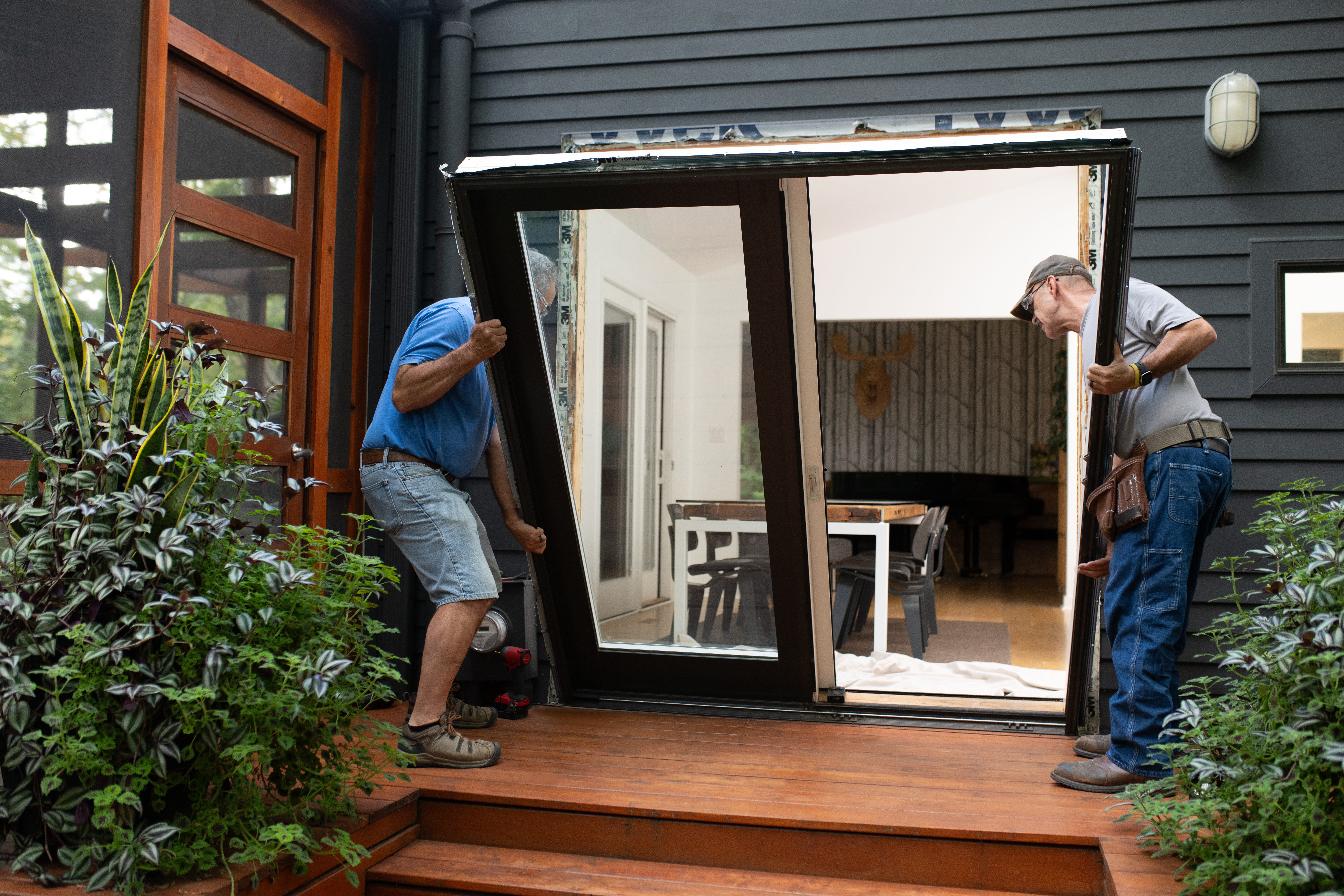
Window installation affects how well your frames perform over time. Full-frame installation replaces the entire window, including the frame and often times, trim. An insert/pocket installation keeps the existing frame and fits a new window(frame included) inside it.
Full-frame work suits older homes with damage or airflow problems. Pocket installation methods sometimes fit newer structures with solid frames in place.
Professional evaluation helps match installation style to your home’s condition and long-term goals. Proper installation protects efficiency, appearance, and warranty coverage.
How to Choose the Perfect Window Frame Material for You
The importance of choosing the right type of window shows in comfort, energy savings, and lasting value. The good news is that you don’t have to handle the process alone. Pella Windows & Doors of Omaha and Lincoln offer guidance, product insight, and expert installation support.
Our team helps compare options, explain features, and align choices with your home’s needs. Thoughtful planning turns window upgrades into confident decisions rather than stressful ones.
Assess Your Budget Early
A clear budget sets realistic expectations and narrows options before decisions feel overwhelming. Window prices vary based on:
- Material
- Size
- Added features
- Energy performance
- Hardware options
Comparing costs alongside the lifespan helps identify the best window frame materials for long-term value. Early planning reduces surprises and supports smarter trade-offs that align comfort with overall spending.
Evaluate Maintenance Commitments
Maintenance needs strongly influence satisfaction long after installation is complete. Some types of window materials require regular painting, sealing, or refinishing to preserve appearance and durability. Other materials require only occasional cleaning to remain functional and attractive.
Matching upkeep requirements to your routine ensures long-lasting performance and reduces frustration. Considering maintenance helps in selecting window types for homes that stay beautiful, efficient, and reliable, even with a busy lifestyle.
Prioritize Your Local Climate
Climate shapes how the frames handle:
- Heat
- Moisture
- Seasonal changes
- UV exposure
- Temperature swings
Cold regions benefit from insulated materials that limit heat transfer and reduce energy loss. Hot or humid areas favor moisture-resistant options that resist warping and decay. Climate awareness supports choosing window materials that improve comfort and efficiency year-round.
Check the Energy Ratings
Energy ratings reveal how well window materials limit:
- Air leaks
- Heat loss
- Cold drafts
- Moisture infiltration
- Energy waste
Higher ratings often result in consistently more stable indoor temperatures throughout the year. Efficient frames reduce strain on heating and cooling systems, lowering utility costs. Reviewing energy data provides a practical way to select windows that perform reliably while boosting comfort and efficiency.
Match the Architectural Style
Window materials contribute strongly to:
- Curb appeal
- Interior character
- Overall style
- Natural light flow
- Architectural balance
Traditional homes often pair well with classic profiles, warm wood tones, and detailed textures. Contemporary homes favor clean lines, sleek finishes, and narrow frames that highlight openness. Aligning window material with design helps modern window frames look purposeful, complementing the home’s style while enhancing beauty and function.
Consider Frame Thickness
Frame thickness affects:
- Insulation
- Strength
- Glass visibility
- Sound control
- Structural stability
Thicker frames often increase durability, improve sound reduction, and enhance security. Slim frames maximize natural light and create wider, unobstructed views. Balancing frame thickness with your design and functional goals ensures that windows perform efficiently while complementing your home’s overall aesthetic.
Frequently Asked Questions (FAQs)
How Do Different Window Frame Colors Affect Energy Efficiency?
Frame color can influence heat absorption and indoor temperature regulation. Darker frames absorb more heat, increasing cooling needs in warm climates. Lighter frames reflect sunlight, helping maintain cooler indoor temperatures.
Energy efficiency also depends on material, glazing, and insulation. Choosing frame colors that complement climate and energy goals can reduce heating and cooling costs while keeping your home comfortable throughout the year.
Do Window Frames Affect Noise Reduction in Urban Areas?
Window frames impact sound insulation by sealing gaps and supporting double or triple glazing. Materials like fiberglass and vinyl reduce vibration and block outside noise better than thinner aluminum frames.
Tighter seals, thicker frames, and proper installation help maintain quieter indoor spaces.
How Do Window Frame Styles Influence Resale Value?
Window frame styles affect curb appeal and perceived home quality. Traditional designs often attract buyers seeking classic charm, while modern frames appeal to contemporary tastes.
High-quality, visually appealing frames can make homes look updated and well-maintained. Investing in durable, stylish frames can increase resale value by improving both appearance and long-term energy efficiency. In fact, you can see up to an 85% return on your investment when it comes time to sell!
Window Frame Types: Choosing the Right Fit for Every Home
Understanding window frame types helps you select frames that balance style, performance, and durability. Different materials, styles, and installation methods serve specific needs, from energy efficiency to noise reduction.
At Pella Windows & Doors of Omaha and Lincoln, we provide replacement windows and doors for any style, project, or budget. Serving Eastern Nebraska and Western Iowa, established in 1967, we bring nearly six decades of expertise.
We offer FREE in-home consultations, flexible financing, and professional installation. Reach out today to explore options and transform your home with our team.